Seasonal House Painting Tips: Best Practices for Every Season


Understanding the Impact of Seasons on House Painting
House painting is more than just an aesthetic choice; it’s a maintenance task that protects your home from the elements. Understanding how different seasons affect painting projects can help ensure a long-lasting and beautiful finish. Whether tackling an interior or exterior job, the season can significantly impact your results.
Spring: Preparing for the Perfect Paint Job
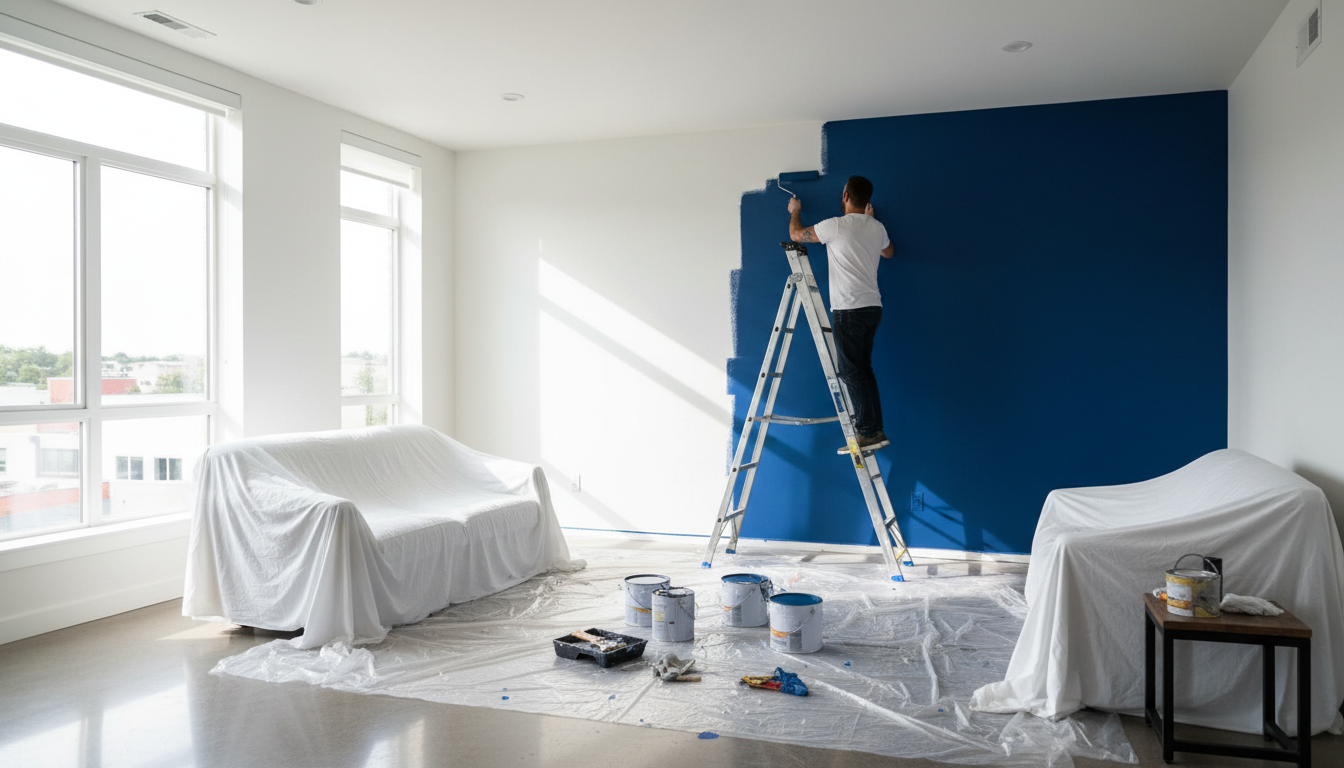
Spring is an excellent time for painting projects, especially for exteriors. The temperatures are mild, and humidity is generally manageable. Before you start, ensure surfaces are clean and free from winter debris. Consider using a pressure washer to remove dirt and mildew from exterior walls.
It's also important to inspect for any damage caused by winter weather, such as cracked or peeling paint. Repair these areas to ensure a smooth surface for painting. Using a primer can help ensure better adhesion and a more durable finish.
Summer: Managing Heat and Humidity
Summer offers longer days and more consistent weather, making it a popular season for painting. However, extreme heat and high humidity can pose challenges. Paint can dry too quickly in high temperatures, leading to visible brush marks and uneven coverage.
To mitigate this, plan to paint during the cooler parts of the day, such as early morning or late afternoon. Ensure you stay hydrated and take breaks to avoid heat exhaustion.
Fall: The Ideal Time for Exterior Projects
Fall is often considered the best season for exterior painting due to its mild temperatures and lower humidity. The cooler weather allows paint to cure properly, ensuring a smooth, even finish. However, it's crucial to complete projects before the first frost, which can damage fresh paint.
Take advantage of the stable weather by focusing on thorough surface preparation, including sanding and priming. This will help the paint adhere better and last longer, protecting your home through the coming winter months.
Winter: Focus on Indoor Projects
Winter is not ideal for exterior painting in colder climates due to low temperatures and moisture. However, it's a great time to tackle indoor projects. With the right ventilation and temperature control, you can achieve excellent results.
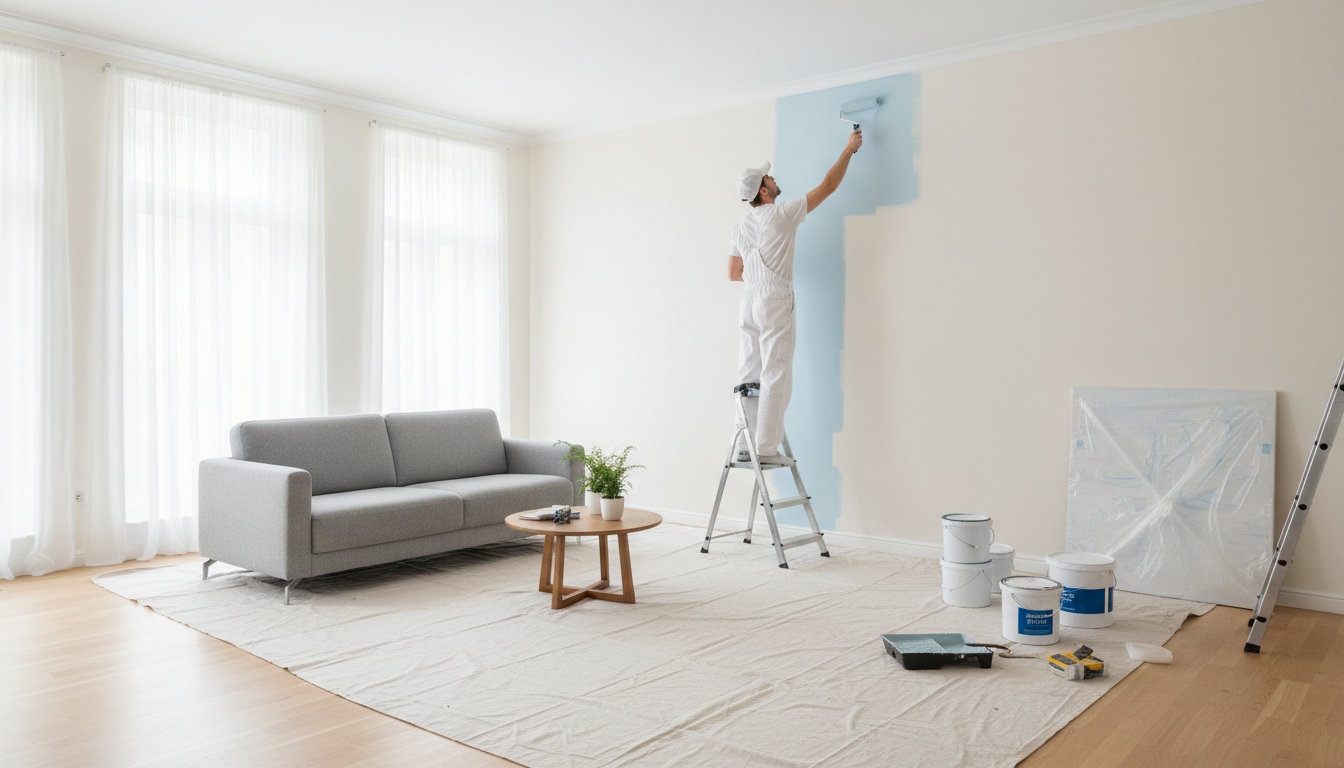
Consider using low-VOC paints to minimize fumes, especially in enclosed spaces. Ensure the indoor temperature remains consistent, as fluctuating temperatures can affect the drying process.
Choosing the Right Paint for Every Season
Selecting the appropriate paint type is crucial for success in any season. For exterior projects, choose weather-resistant paints that can withstand seasonal changes. For interiors, consider the room's function and select paints that are easy to clean and resistant to stains.
Additionally, investing in high-quality brushes and rollers can make a significant difference in the application process, helping achieve a flawless finish regardless of the season.
Conclusion
By understanding the unique challenges and opportunities each season presents, you can plan your house painting projects more effectively. Proper preparation, timing, and material selection are vital to achieving professional results that enhance and protect your home. Embrace the seasonal nuances, and your house will look its best year-round.