How to Prepare Your Home for a Professional Paint Job


Clear the Space
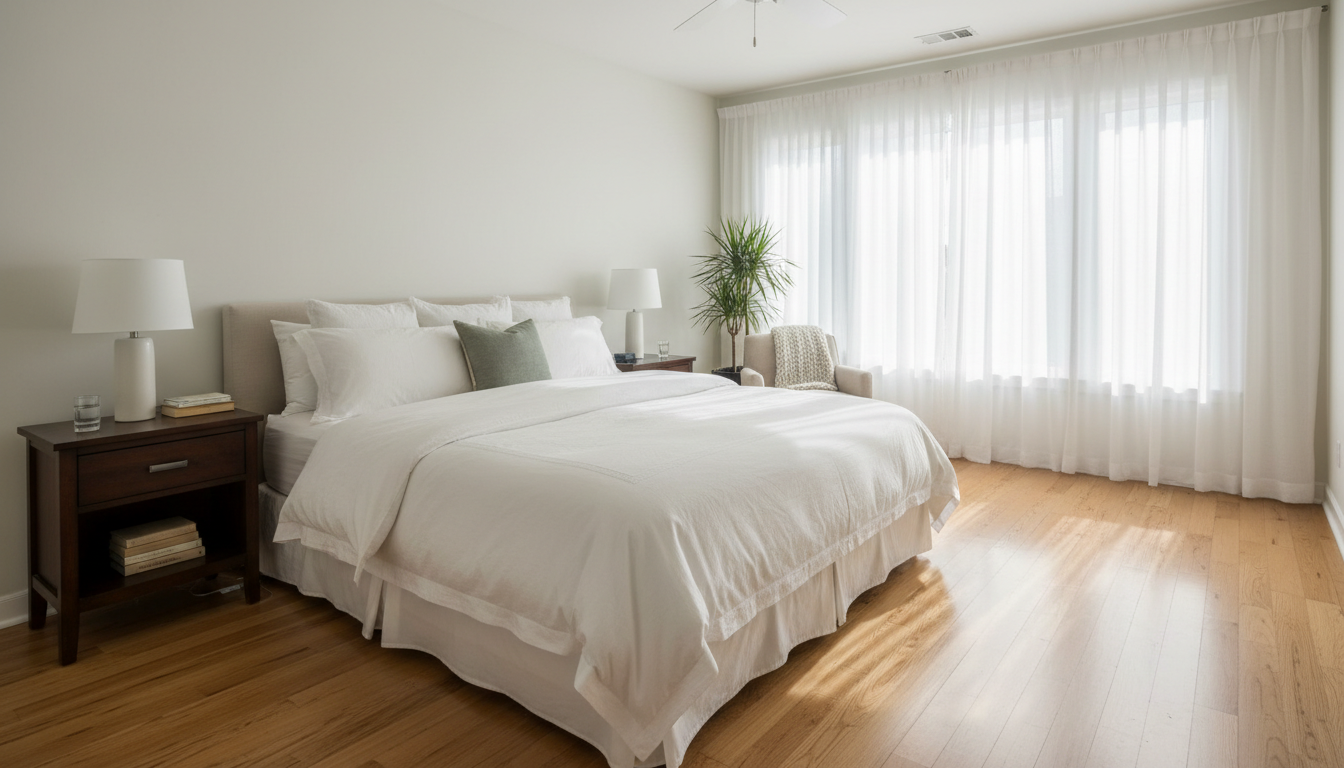
Before a professional paint job begins, it’s essential to clear the area of any furniture and personal belongings. This not only protects your items from accidental paint splatters but also gives painters easy access to walls and ceilings. If moving furniture out of the room isn’t possible, gather items in the center of the room and cover them with drop cloths.
Protect Your Flooring
Floors can be vulnerable to paint drips and spills. Use drop cloths or plastic sheeting to cover the entire floor space. Secure the edges with painter’s tape to ensure they stay in place. This step is crucial for avoiding costly damage to carpets, hardwood, or tiles.
Ensure Wall Readiness
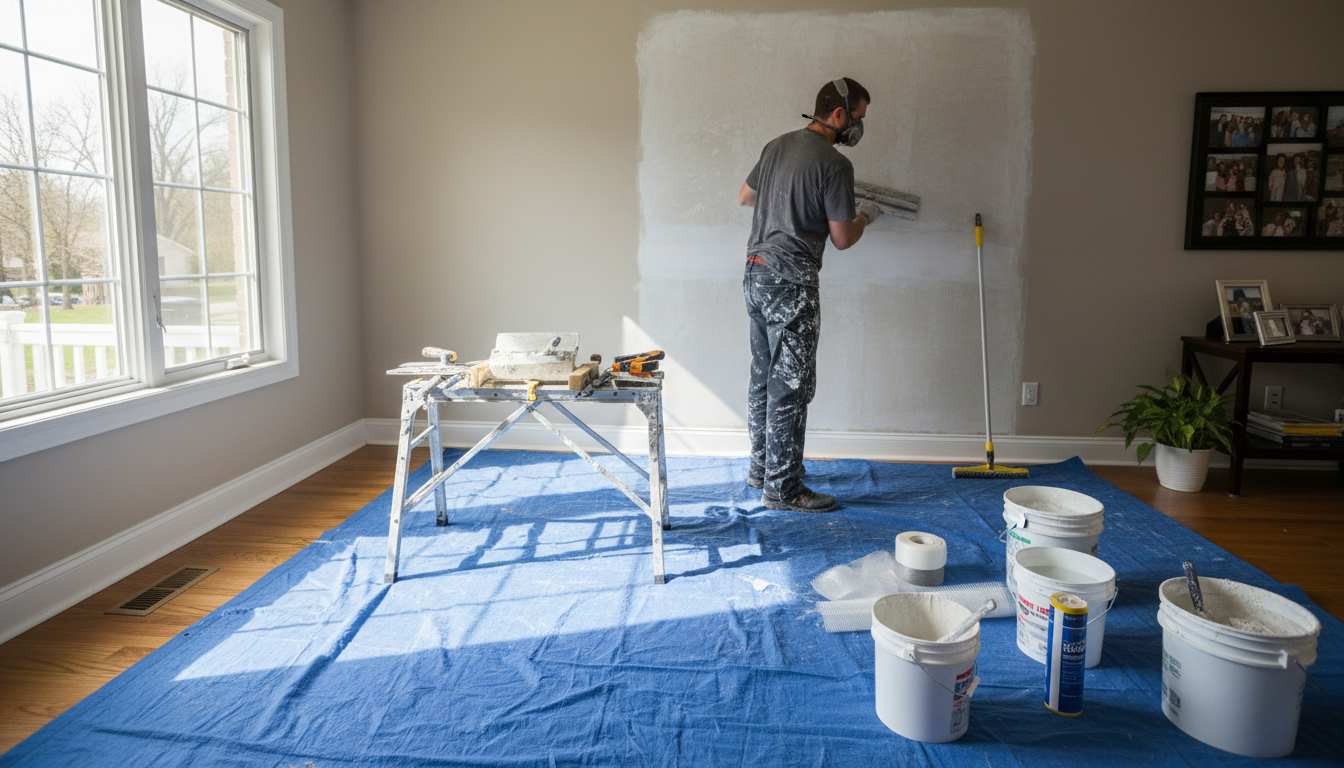
Inspect your walls for any imperfections such as cracks, holes, or peeling paint. Address these issues by filling cracks and holes with spackle or putty and sanding down rough areas. A smooth surface ensures better paint adhesion and a more professional finish.
Check for Moisture
Moisture can be a significant problem when painting. Make sure walls are dry and free from mildew. If necessary, clean affected areas with a bleach solution and let them dry completely before painting. This step prevents paint from peeling or bubbling over time.
Consider Color and Design
Choosing the right color and finish is an integral part of preparation. Consider the existing decor and lighting in the room. Test samples on a small section of the wall and observe how they look at different times of the day. This ensures satisfaction with the final result.

Communicate with Your Painters
Open communication with your painting professionals is crucial. Discuss any specific requirements or concerns you may have. Whether it's about color choices or areas that need special attention, clear communication ensures that everyone is on the same page.
Prepare for Paint Odors
Paint fumes can be overwhelming, especially in enclosed spaces. Ensure proper ventilation by opening windows and using fans to circulate air. Consider using low-VOC or no-VOC paints to minimize odors and improve indoor air quality.

Plan for Touch-Ups
Even with professional work, minor touch-ups might be necessary after the main job is completed. Keep a small amount of leftover paint for future touch-ups. This ensures color consistency and maintains the room's pristine look over time.
By following these preparation steps, you’ll be well on your way to a successful and stress-free professional paint job. Remember, good preparation is the key to achieving a flawless finish.